Navigating the Cancer Journey: Empowering Patients with Treatment Options and Wellness Strategies
Navigating a cancer diagnosis can feel like entering a foreign land, filled with daunting terms and life-altering decisions. This journey is not just about treating a tumor or responding to a malignancy; it’s about embracing empowerment through knowledge and making informed choices on your path. Whether you're hearing the word 'carcinoma' for the first time or you’re a seasoned warrior among cancer survivors, understanding comprehensive treatment options is essential for your best chance at success. What if you could blend science with personal wellness and advocacy to emerge victorious against cancer?
Imagine meeting with your oncologist and feeling an overwhelming sense of hope rather than anxiety. This is possible when you are armed with information about your specific treatment options. From chemotherapy and radiation therapy to the groundbreaking advances in immunotherapy, each path offers unique benefits tailored to the individual. It’s important to explore what aligns with your health goals and lifestyle. Are you ready to discover how these options can coexist with wellness strategies that support your overall health?
The landscape of cancer treatment is ever-evolving, shaped by ongoing medical research and clinical trials that offer new avenues for hope. These trials often provide access to cutting-edge therapies that may not yet be widely available. As a patient advocate, I encourage you to ask your healthcare team about participation in clinical trials. This proactive step not only places you at the forefront of innovative treatments but also contributes to the greater good of the cancer community. Could your journey advance the science for those coming after you?
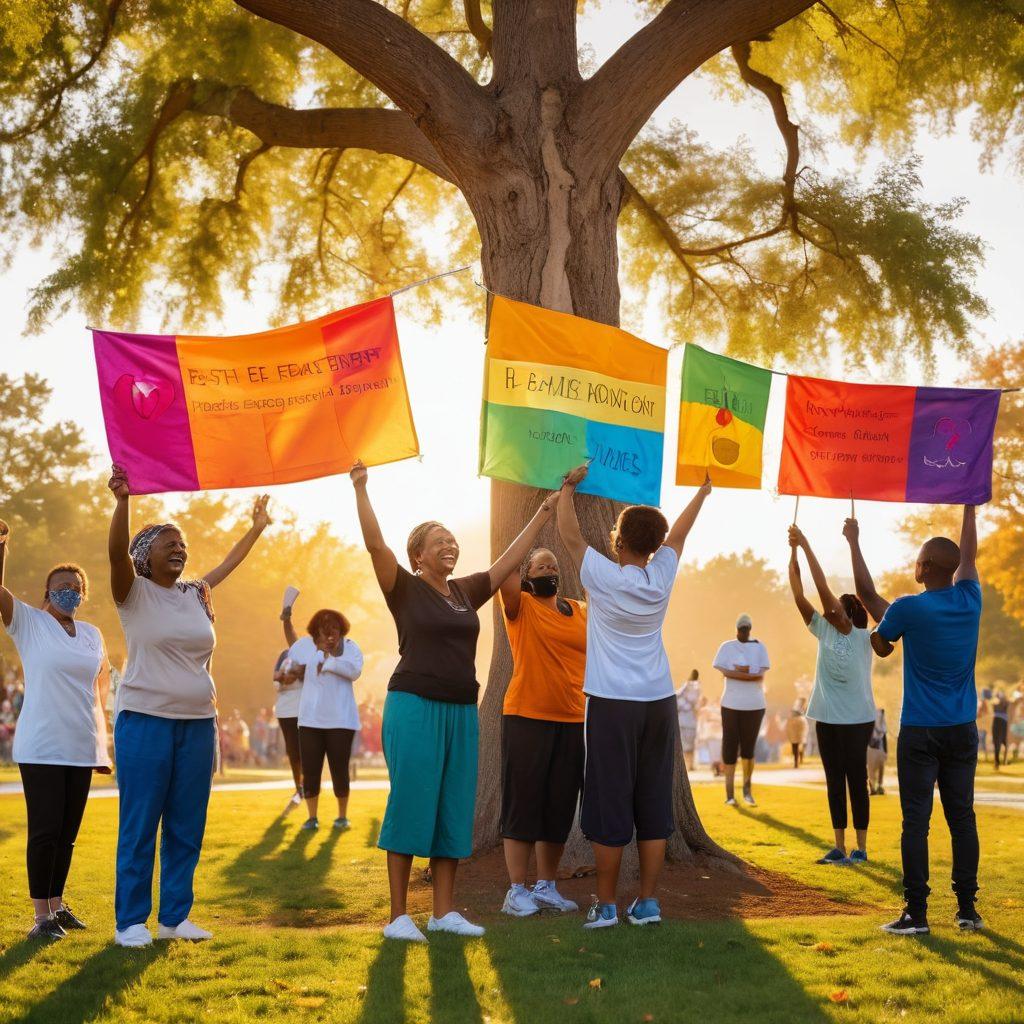
Cancer is not fought alone. Support groups play a critical role in this journey, providing a safe haven for sharing fears, triumphs, and coping strategies. Engaging with fellow warriors who understand the weight of your experience fosters a sense of belonging and validation. Simultaneously, incorporate lifestyle changes that prioritize nutrition and mental health. Simple adjustments—even the inclusion of specific foods that bolster your immune system—can make a world of difference. How are you nurturing your body and mind during this battle?
Ultimately, prevention is key in this fight—recognizing the risk factors for your specific type of cancer could vastly improve outcomes. Prioritizing regular screening tests and remaining vigilant about early detection are part of responsible patient education. Cancer is not merely an individual's battle but a collective effort that includes family, friends, and community engagement. What supportive resources can you tap into to enhance your journey? As we navigate this intricate landscape of treatment options together, remember that each step, each question, and each choice shapes your path toward wellness.
Wellness Strategies for the Journey: Integrating Nutrition and Mental Health
Navigating a cancer diagnosis is like standing on the edge of a vast, uncharted ocean. The storm of emotions — fear, uncertainty, hope — can be overwhelming. Yet amid this turmoil lies an opportunity to cultivate wellness strategies that empower patients not just to survive, but to thrive during their oncology journey. Integrating nutrition and mental health into your treatment plan is crucial in facing malignancy, whether it's carcinoma or another form of tumor. So, how do we embark on this journey towards better health and wellness?
Imagine this: A cancer survivor, having faced the physical toll of chemotherapy and radiation therapy, stands at the brink of a lifestyle transformation. They’ve learned that what we eat goes far beyond providing energy; food can play a pivotal role in disease prevention and symptom management. This journey extends to those battling tumors, where incorporating a balanced diet rich in antioxidants, lean proteins, and whole grains not only fuels the body but can aid in recovery and enhance overall wellness. What nutritional changes can you make today to support your treatment options and foster resilience?
But nutrition is just one half of the equation. Advocating for mental health during cancer treatment is vital, yet often overlooked. The impact of psychological well-being on physical recovery cannot be understated. Engaging in support groups can provide a safety net for patients coping with the emotional strains of their journey. Remember, you are not alone in this fight; people around you may have similar experiences to share. How might community engagement and shared stories inspire you to advocate for your mental health throughout this process?
Moreover, palliative care is not just for end-of-life situations. It’s a proactive approach that can significantly enhance quality of life for patients undergoing treatments like immunotherapy or participating in clinical trials. Exploring mindset techniques — such as mindfulness, meditation, or even creative outlets — can help combat the anxiety and depression that too often accompany a cancer diagnosis. Are you utilizing support resources available for nurturing your mental health during treatment?
In the context of healthcare, early detection through regular screenings plays an essential role in proactive cancer management. The knowledge gained from medical research allows us to better understand risk factors and make informed decisions about our health. Education is power, especially for cancer survivors who can be advocates in their communities. By embracing lifestyle changes that focus on holistic health, both nutrition and mental wellness can intertwine to create a more robust defense against the diagnosis. How will you take charge of your wellness journey today?
From Malignancy to Recovery: The Importance of Patient Advocacy and Community Support
Navigating the path from malignancy to recovery is not just a medical journey; it's a profound exploration of hope, resilience, and the power of community. In the face of cancer, many patients find themselves wrestling with an overwhelming sense of uncertainty. Will my oncologist have the right treatment options? Can I find a support group that understands my struggle? While these questions loom large, patient advocacy and community support can light the way toward recovery and wellness, transforming the experience from one of isolation to connection.
Imagine being diagnosed with carcinoma and feeling as if the world was crumbling beneath your feet. Suddenly, you're thrust into a whirlwind of oncology consultations, treatment options like chemotherapy and radiation therapy, and the daunting terminology of medical research. You may wonder, 'How do I navigate this maze?' It’s precisely during these moments that patient advocacy becomes essential; it empowers individuals to participate in their healthcare decisions actively. Engaging with patient education resources can not only illuminate treatment paths but also pave the way for informed discussions with healthcare professionals about clinical trials and innovative immunotherapy options.
But patient advocacy isn’t just about navigating treatments; it’s also about community support. As you recover and gather strength, support resources such as local health blogs and community engagement initiatives can serve as lifelines. For many, connecting with cancer survivors brings a sense of solidarity. After all, who better understands the complexities of this journey than those who have walked the road themselves? Reach out to support groups where shared experiences can foster a sense of belonging. Remember, as one cancer survivor wisely noted, 'We heal in community.'
Now, let’s talk about the holistic side of recovery. The path to wellness is often multi-faceted—it's not solely about the physical treatments we endure. Lifestyle changes can play a significant role in improving mental health and symptom management following treatment. Nutrition and establishing a healthy routine are parts of the equation. Think about the foods you consume daily. Could a focus on disease prevention through better nutrition lead to improved well-being? Start experimenting with wholesome meals rich in antioxidants and fibers; your body will thank you for it.
Lastly, consider the importance of early detection and regular screening tests in your journey, as they can significantly alter outcomes. Understanding your risk factors and embracing proactive wellness strategies can empower you not only as a patient but as a vital part of the larger narrative of healthcare. By advocating for yourself and engaging with your community, you transform your journey from one marked by anxiety to one filled with hope, courage, and empowerment. Remember, you are never alone on this path.